
General Operations Manager
A General Operations Manager's role is to implement processes and practices across an organization.

A General Operations Manager's role is to implement processes and practices across an organization.

A purchasing agent obtains purchased items by forwarding orders to suppliers, verifies receipt of items, resolves shipments in error with suppliers, and authorizes payment for purchases by forwarding receiving documentation.

Transportation/logistics managers oversee warehouse, inventory control, material handling, customer service, transportation, and planning workers. They hire, train and evaluate employees. Managers prepare worker schedules and ensure warehousing and distribution workers follow safety rules.

Supply systems analysts monitor computer programs, software, and hardware to determine their efficiency in meeting established supply information requirements; and recommends changes in data flow, sources of input, report formats, and calculations to satisfy supply management information needs.
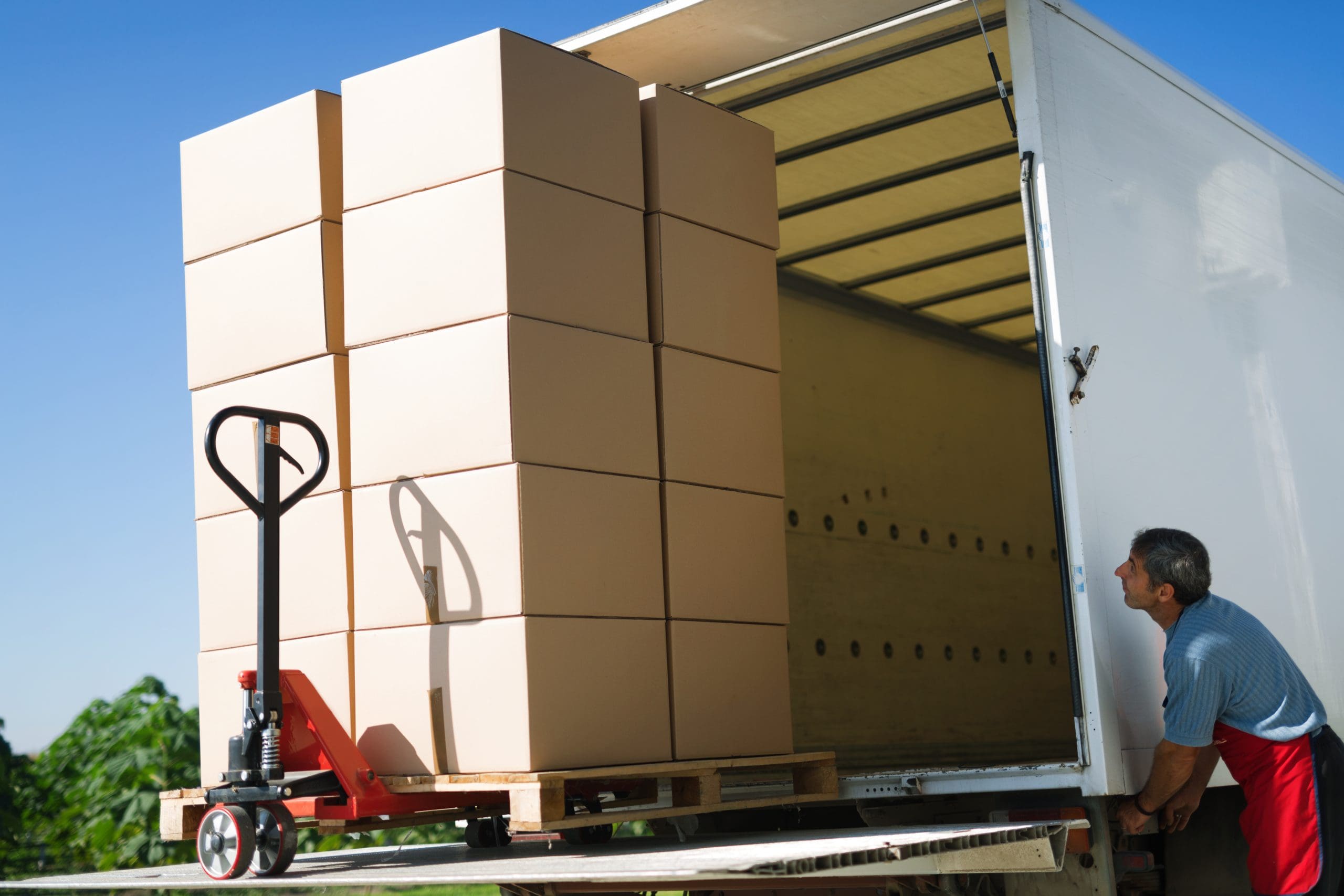
Cargo freight agents expedite and route movement of incoming and outgoing cargo and freight shipments.

Maintenance managers are responsible for ensuring that facilities, layout, and machinery used to produce new and existing materials and goods run to their maximum efficiency and output.

Transportation/logistics supervisors oversee the transportation of products from one location to another, such as from loading docks to warehouses or warehouses to stores.

A shipping and receiving clerk verifies and maintains records on incoming and outgoing shipments, and prepares items for shipment.